Personal safety has become a more prominent issue in the UK this year, and there are good reasons for this. Crime figures for 2026 show violence and public safety concerns are still rising, and more people, especially those commuting alone or travelling at night, are looking for a quick, reliable way to protect themselves.
Personal safety has become a more prominent issue in the UK this year, and there are good reasons for this. Crime figures for 2026 show violence and public safety concerns are still rising, and more people, especially those commuting alone or travelling at night, are looking for a quick, reliable way to protect themselves.
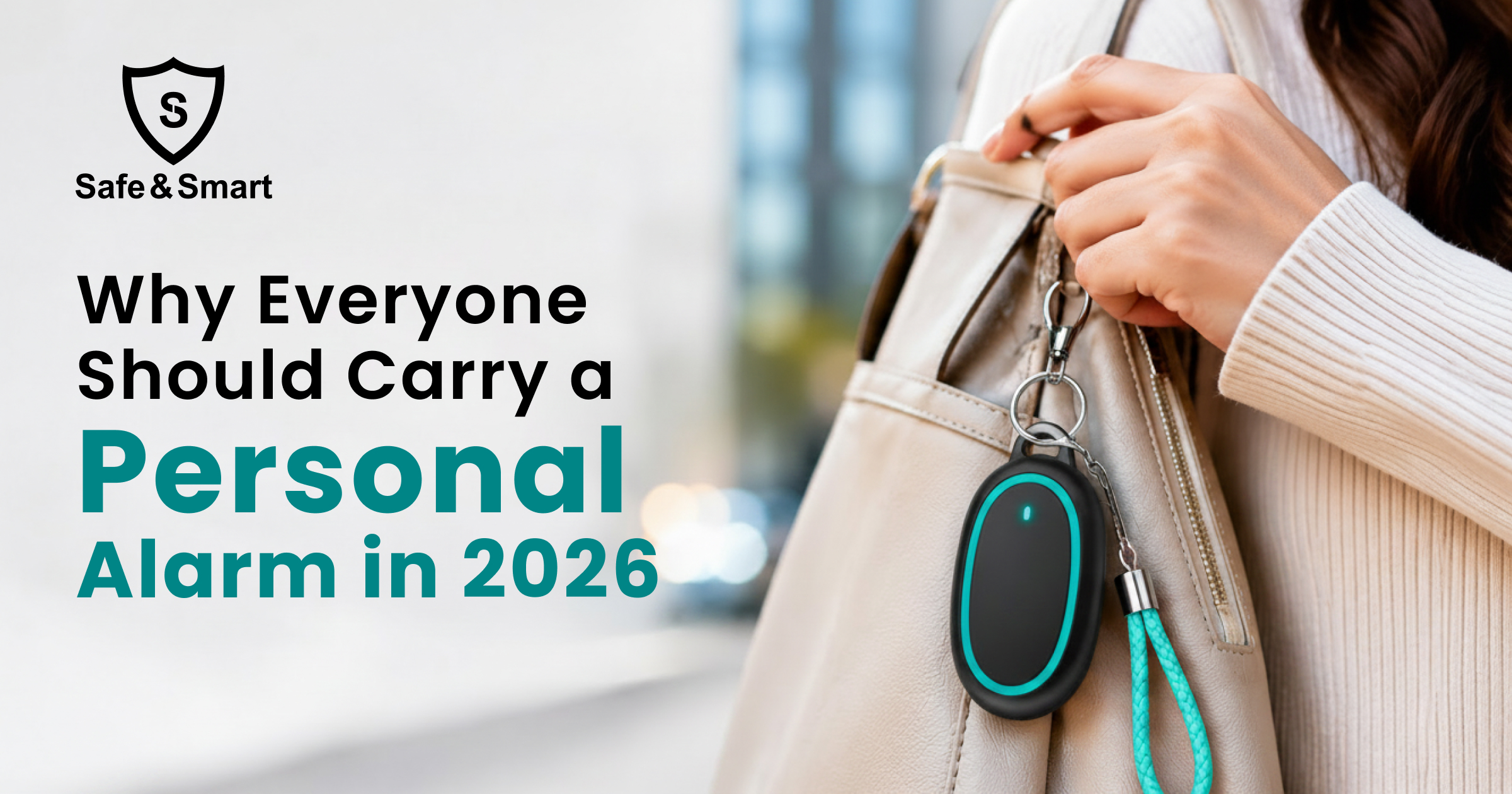
That’s exactly where a personal alarm comes in. It’s small, cheap, doesn’t need a phone signal, and can be triggered in under a second. This guide covers what a personal alarm actually is, why demand for one has grown, and what to look for before buying.
What Is a Personal Alarm?
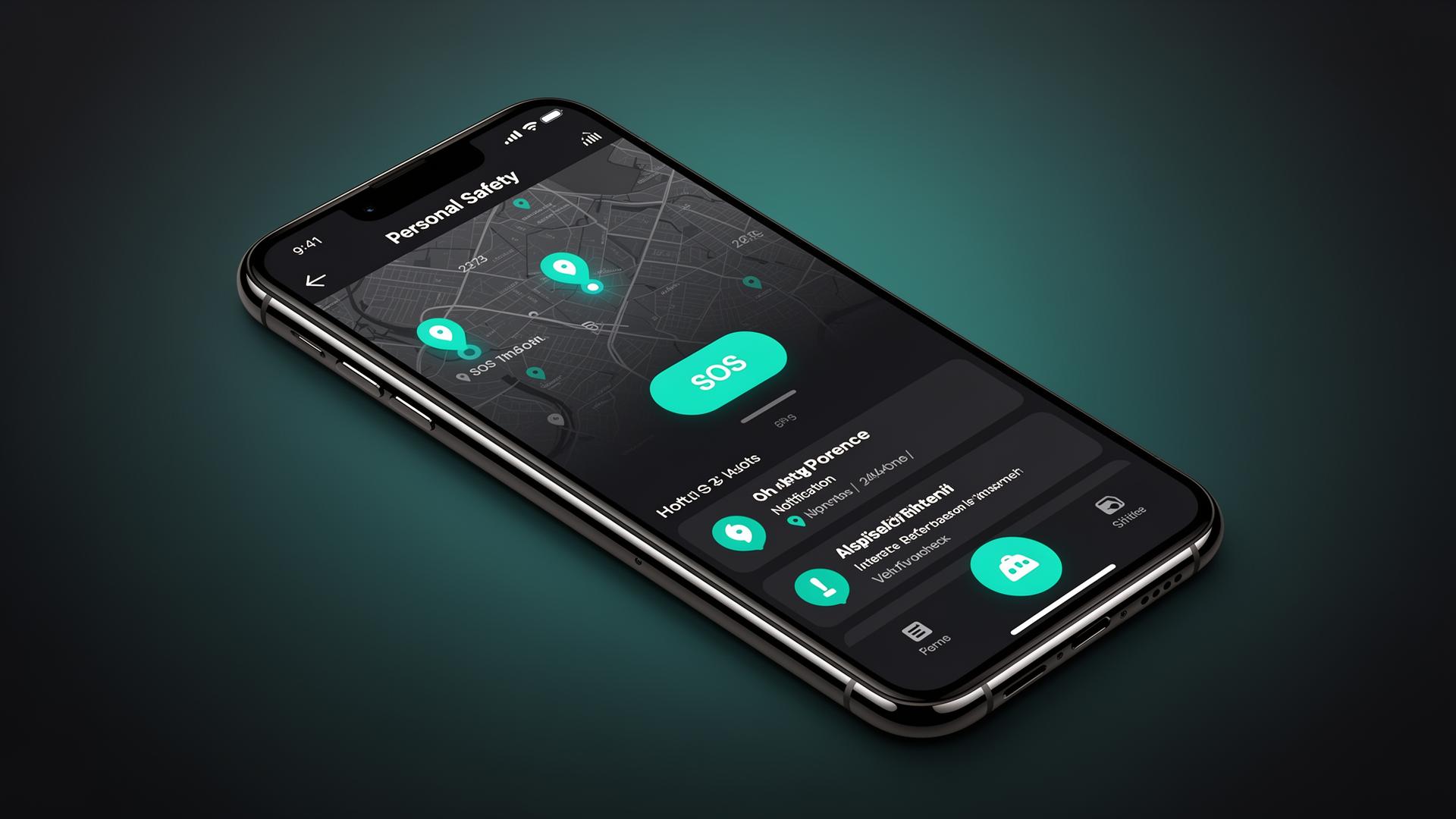
Basically, it’s a small device you carry that screams louder than you ever could the second you need it to. That’s it. No complicated setup, no subscription required for the basic versions. Most are pocket-sized, run on a battery, and go off with a pull pin, a button, or a one-tap SOS. The smarter ones connect to an app too, so a personal emergency alarm can ping your location straight to someone you trust the moment it’s triggered. A basic siren or connected device doesn’t matter, really. The job is the same: make a private, scary moment loud and public, fast.
Why UK Crime Trends Are Driving the Shift
Because the numbers genuinely aren’t going in the right direction. Police across England and Wales logged just over 2 million reports of violence and sexual offences in 2026, a 1.2% rise from 2025, putting the national rate at around 30.4 incidents per 1,000 people. Some places are well above that average. Bradford, Middlesbrough, and Kingston upon Hull currently sit at the top of the list for violence and sexual offences.
Add in the ongoing numbers around stalking and harassment, plus how many people (women especially) now quietly plan routes and journey times around feeling unsafe, and it’s not hard to see why a personal safety alarm has gone from “nice to have” to something people actually rely on.
How Personal Alarms Help Prevent Dangerous Situations
Most attacks depend on two things working in the attacker’s favour: silence and isolation. A personal alarm wrecks both instantly. A 120dB+ siren going off out of nowhere makes an attacker feel exposed. Suddenly there’s a chance someone’s watching; someone’s coming. Most bail rather than risk that.
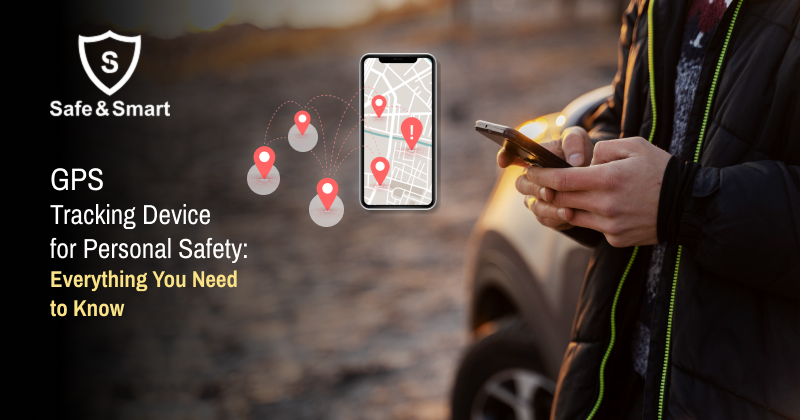
If the device has GPS built in, a GPS personal alarm takes it a step further and shares your exact location the moment it’s triggered, so whoever’s coming to help actually knows where to go instead of guessing. And even in a completely empty street with nobody around, the noise alone rattles an attacker’s nerves, which buys you the few seconds you need to get away.
Key Features to Look for in a Personal Alarm
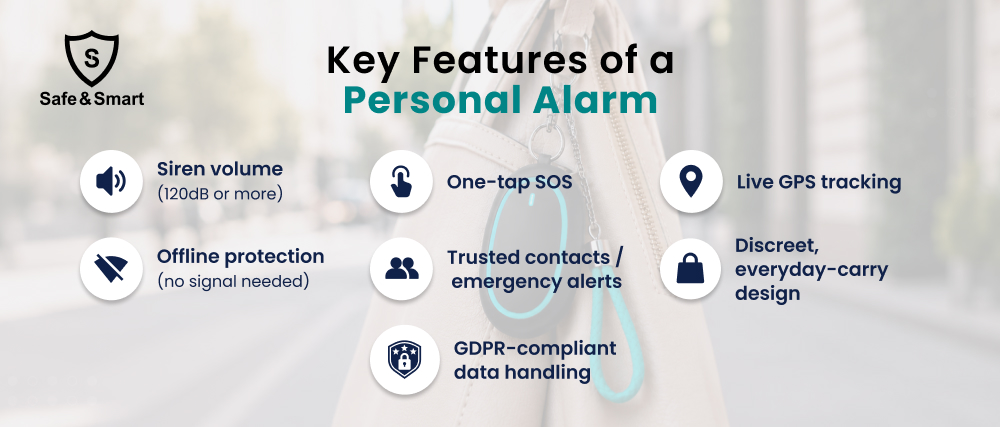
Not all alarms are built the same. A lot of the cheap ones cut corners in exactly the places that matter most. In the below section you will learn about some of the most crucial features that you should look for in a personal alarm:
Siren volume (120dB or more)
This is the one spec you really shouldn’t compromise on. Under 100dB might sound fine in your living room, but take it outside onto a busy road or a windy street and it just disappears. You need something loud enough to cut through traffic and crowds or loud enough that people actually turn and look. Anything quieter and, honestly, you’re carrying a toy, not protection.
One-tap SOS
When you’re genuinely scared, your hands don’t work the way they normally do. Fumbling with a cover, holding a button down for five seconds, scrolling through some app menu; none of that’s realistic in the moment. One press, one pull, done. If it takes longer than a second to set off, it wasn’t designed with a real emergency in mind.
Live GPS tracking
A siren gets people’s attention. GPS tells them where to actually go. The good alarms send your real-time location to whoever you’ve chosen the second you hit the button, which matters a lot more than people think, especially somewhere unfamiliar where you can’t easily describe where you are. Just double-check it’s live tracking, not some delayed ping every few minutes.
Offline protection (no signal needed)
Some “smart” alarms lean entirely on an app and a data connection, which is fine right up until you’re in a basement, a car park, or somewhere out in the countryside with no bars. The core siren needs to work purely on battery, no exceptions. GPS and app extras are nice on top, sure, but they can’t be the only thing standing between you and help.
Trusted contacts / emergency alerts
A stranger noticing is one thing. Having your actual contacts’ partner, mum, flatmate, or whoever automatically pinged the second it’s triggered is another thing entirely. Look for an alarm that lets you set specific people ahead of time, rather than hoping someone nearby happens to notice and do something about it.
Discreet, everyday-carry design
An alarm that’s too bulky, or one you feel weird carrying around, ends up in a drawer at home, which defeats the entire purpose. The better ones clip onto a keyring, a bag strap, or a coat pocket without screaming “safety device” if that’s not your thing. Small and boring-looking is actually a feature here, not a downside.
GDPR-compliant data handling
People skip over this one constantly. If an alarm syncs to an app and stores your location or your emergency contacts, you have to handle that data properly; it’s not optional. Worth a quick check before you connect anything personal to it, since some of the cheaper smart alarms are surprisingly vague about where that information actually goes.
A device that hits most of these, like the personal safety alarm built for daily carry, tends to actually hold up when it matters, unlike the £2 keyring alarms that just rattle around at the bottom of a bag.
7 Reasons to Carry a Personal Alarm Every Day
You all know that carrying a personal alarm every day is one of the simplest and most effective ways to guarantee immediate access to help during the emergency. Here are some of the common reasons to carry personal alarm on a daily basis:
1. Instant Deterrent in Dangerous Situations
Most attackers count on catching someone off guard in a quiet moment. A sudden 120dB siren blows that plan apart immediately. It draws attention, makes the situation public, and gives the attacker a real reason to panic and back off before things go any further.
2. No Reliance on Phone Signal or Battery
Phones die at the worst possible time, and signal drops in stairwells, car parks, and rural spots without warning. A personal alarm doesn’t care about any of that; it’s battery-powered and self-contained, so it works exactly the same whether you’ve got full bars or nothing at all.
3. Boosts Confidence for Solo Commuters and Night Travel
Walking home alone after dark hits different when you’re not just hoping nothing happens. Knowing you’ve got something that can genuinely stop a situation changes how you carry yourself: less hesitation, less constantly checking behind you, and more just getting on with your evening like normal.
4. Affordable, Compact, Easy to Carry Every Day
This isn’t some expensive gadget you have to think twice about buying. Most personal alarms cost less than a takeaway, clip straight onto a bag, keys, or belt loop, and weigh next to nothing. There’s really no practical excuse for it to sit at home instead of on you.
5. Useful for Vulnerable Groups (Students, Elderly, Lone Workers)
Students walking back from late lectures, elderly people running errands alone, lone workers doing home visits or night shifts; none of these situations are rare. A personal alarm doesn’t require strength, tech skills, or training. Anyone regularly on their own benefits from having one within reach.
6. Complements — Not Replaces — Smart Safety Tech
Safety apps are useful, but they need signal, battery, and someone actually checking their phone. A personal alarm fills the gaps apps can’t cover; it works instantly, offline, and needs zero interaction beyond pressing it. Used together, they cover each other’s weak points properly.
7. Peace of Mind for Family and Loved Ones
It’s not just about the person carrying it. Parents stop worrying quite as much about a daughter’s late shift. Partners relax slightly on a solo trip. It’s a small, cheap object, but it quietly reassures everyone around you too and that matters more than people admit.
If you’re putting together a wider safety setup rather than just one device, it’s worth having a look through smart care products that pair well with a personal alarm instead of treating it as a one-off purchase.
Common Mistakes People Make When Buying a Personal Alarm
In the below section you will learn about some pitfalls that you should avoid when you are buying a personal alarm:
- Buying on price alone: a lot of cheap alarms use weak sirens well under 100 dB, which just get lost in a busy street.
- Overcomplicating activation: flip covers, hold-for-five-seconds buttons none of that helps when you’re panicking.
- Never test the battery: Assuming it works just because it’s new is a bad habit worth breaking.
- Ignoring fit for daily carry: A bulky, personal alarm woman-focused product that never leaves your bag isn’t protecting anyone; a proper safety keychain uk stays on you, which is the whole point.
- Skipping the privacy check: The smart alarms synced to an app should be GDPR-compliant before you hand over your location or contacts.
So, these are some of the mistakes that you might face at the time of buying a personal alarm, but you have to know some methods to overcome this.
Final Thoughts
The 2026 numbers speak for themselves; safety isn’t something to leave to luck anymore. A personal alarm won’t fix every situation, but it tips things back in your favour, turning a silent, isolated moment into one where you’re suddenly seen and heard. They’re cheap, small, and take about a second to use. There’s genuinely not much of an excuse not to carry one, especially given how easy it’s become to find one that actually fits into daily life without a second thought.
FAQ
Are personal alarms legal in the UK?
Yes, completely. They are designed to attract attention and deter danger without causing harm, so there is no legal issue with carrying one.
How loud should a personal alarm be?
Aim for 120dB or higher. Anything quieter risks getting drowned out by traffic or crowd noise exactly when you need it most.
Do personal alarms work without a phone signal?
Yes, standard alarms run purely on battery, so they work fine in dead zones, basements, or anywhere a signal drops out.
Can I use a personal alarm and a phone safety app together?
You can, and honestly it's a good idea. The alarm covers you instantly and offline; the app adds ongoing location sharing when a signal's available.
Who should carry a personal alarm?
Really, anyone who spends time alone in public: commuters, students, night workers, elderly people, and lone workers. It takes zero training to use.
Are smart personal alarms better than traditional alarms?
Smart ones add GPS and contact alerts, but they need battery and connectivity to work. Traditional alarms are simpler and more dependable offline a lot of people end up carrying both.