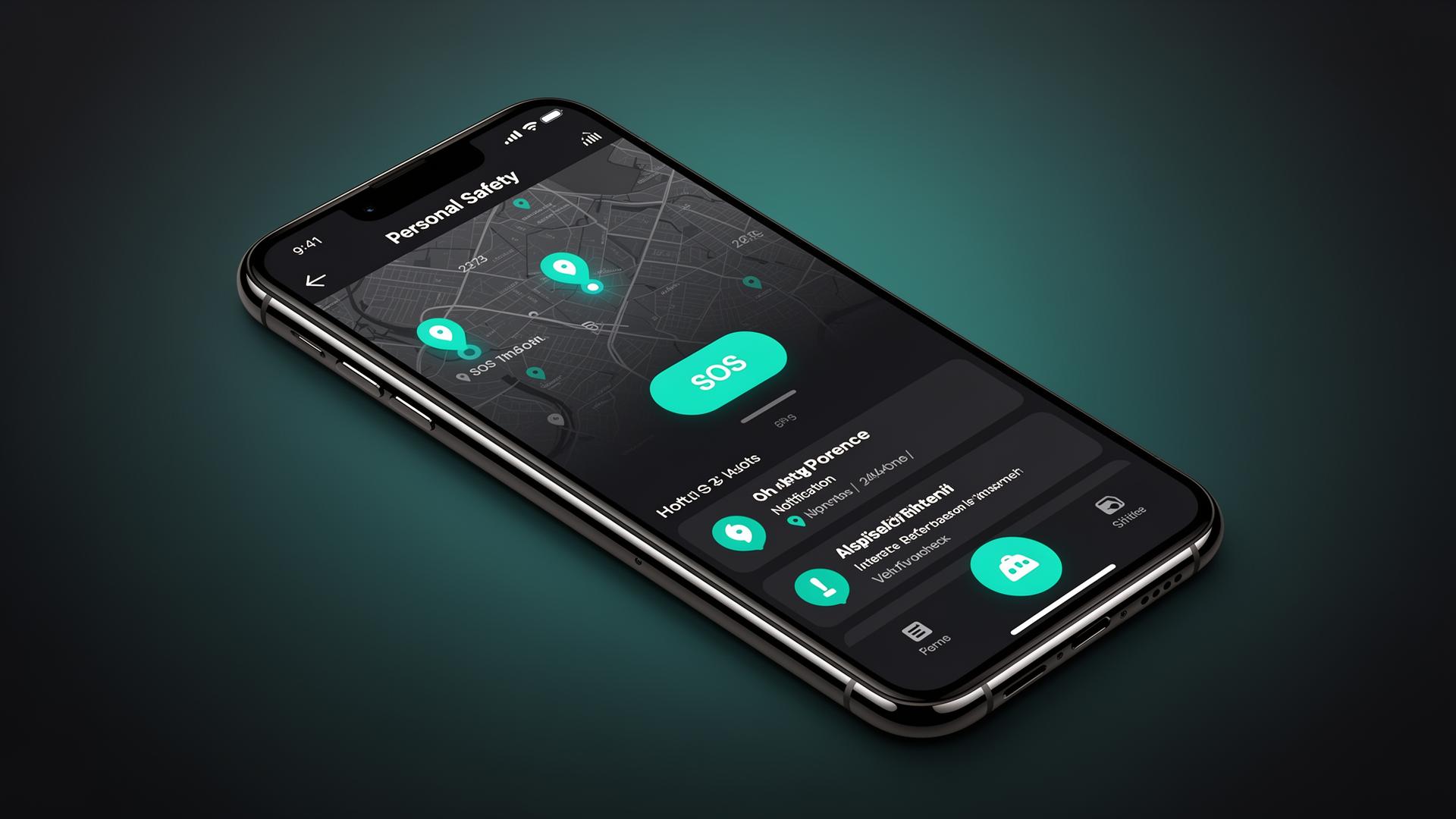
Most people don't think about personal safety until something happens: a near-miss on a late-night walk, a parent with dementia who went missing for two hours, a colleague who didn't make it home from a night shift, and no one noticed until morning. These aren't edge cases. They happen more than we talk about.
That’s partly why GPS tracking devices have gone from niche gadgets to genuine everyday tools. The global personal safety tracking devices market sat at USD 1,225.31 million in 2026 and is expected to reach USD 2,448.58 million by 2035, growing at a 7.9% CAGR, and that growth isn’t being driven by marketing. It’s being driven by real need.
In this blog, you will learn about the GPS tracing devices for your personal safety, their types, benefits, and the reason you should choose these devices. Let’s get started!
What Is a GPS Tracking Device and How Does It Work?
Before getting into the different types and who they’re for, it’s worth understanding what a GPS tracking devices actually does because “GPS tracker” gets used loosely, and people often have a vague idea rather than a clear one.
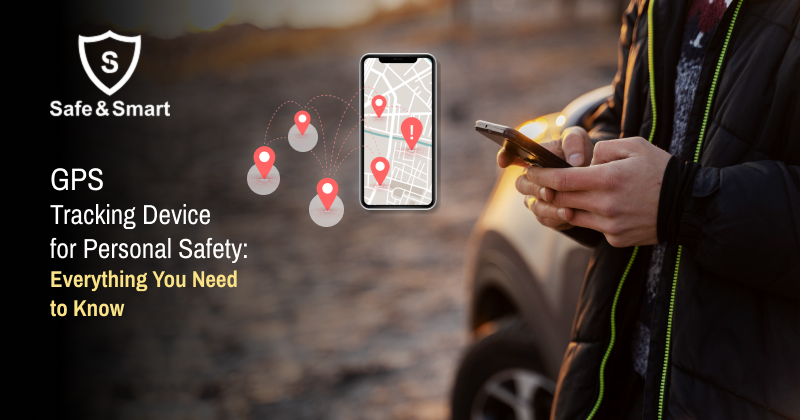
At its core, a GPS tracking device picks up signals from multiple satellites orbiting the Earth, works out its precise coordinates, and sends that location through a mobile or Wi-Fi network to an app or monitoring platform. The whole process takes seconds.
Now, the main question is, “How do GPS trackers work?” So that’s how GPS trackers work in plain terms: satellite signals in, location data out, near-instantly.
Modern devices now come with SOS buttons, two-way audio, geofencing, and fall detection. They’re also getting smaller; some are genuinely pocket-sized. For a closer look at how these features come together in practice, smart care products cover a range of options worth exploring. Now let’s know some types that people are using in everyday life.
Types of GPS Tracking Devices for Everyday Use
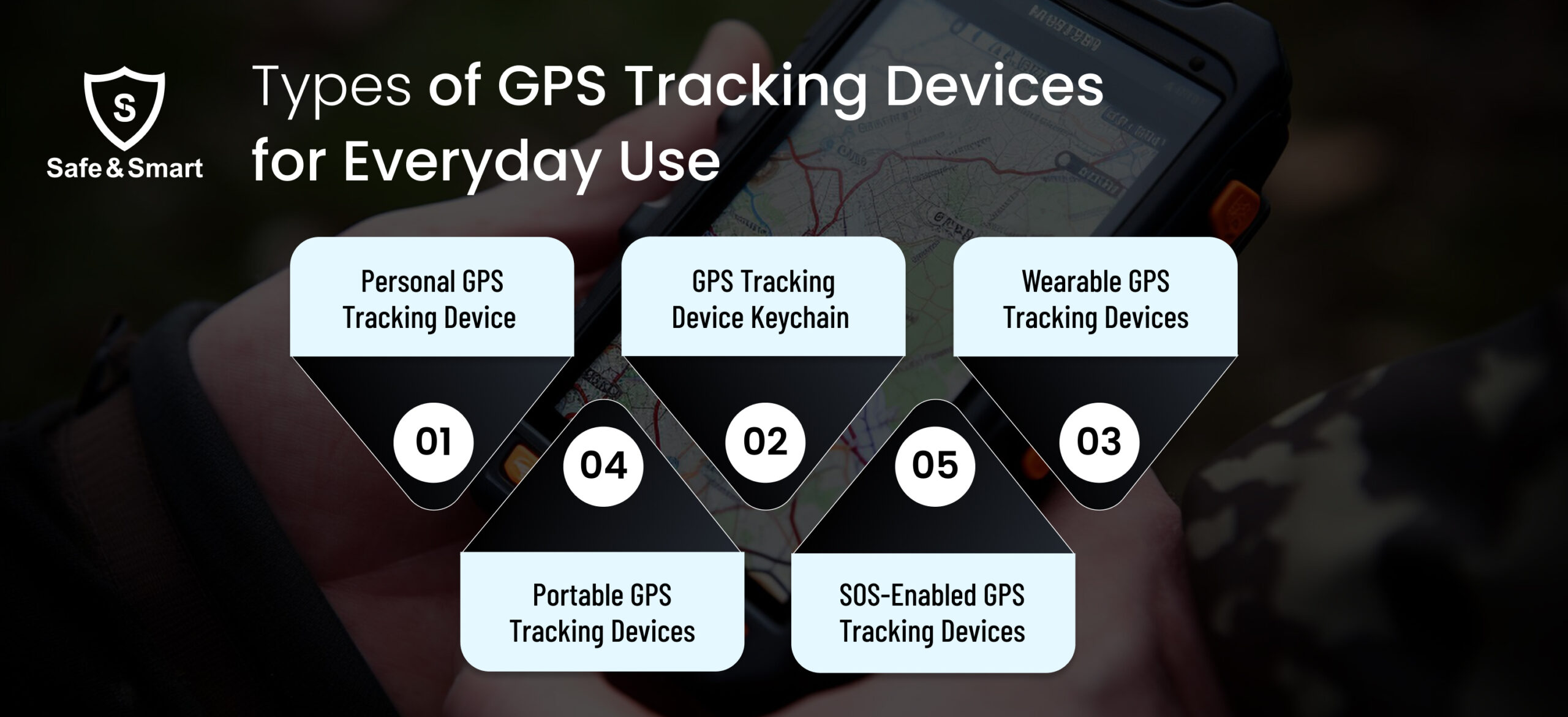
There isn’t one universal GPS tracking device that suits everyone. The right choice depends entirely on who’s using it, where, and how. Here’s a breakdown of the main categories people actually use.
Personal GPS Tracking Devices
A personal GPS tracking device is the most flexible option: small, SIM-enabled, and built for individual carry. It slips into a pocket or bag and works independently of a phone. Lone workers and regular travelers tend to reach for this type first.
GPS Tracking Devices Keychain
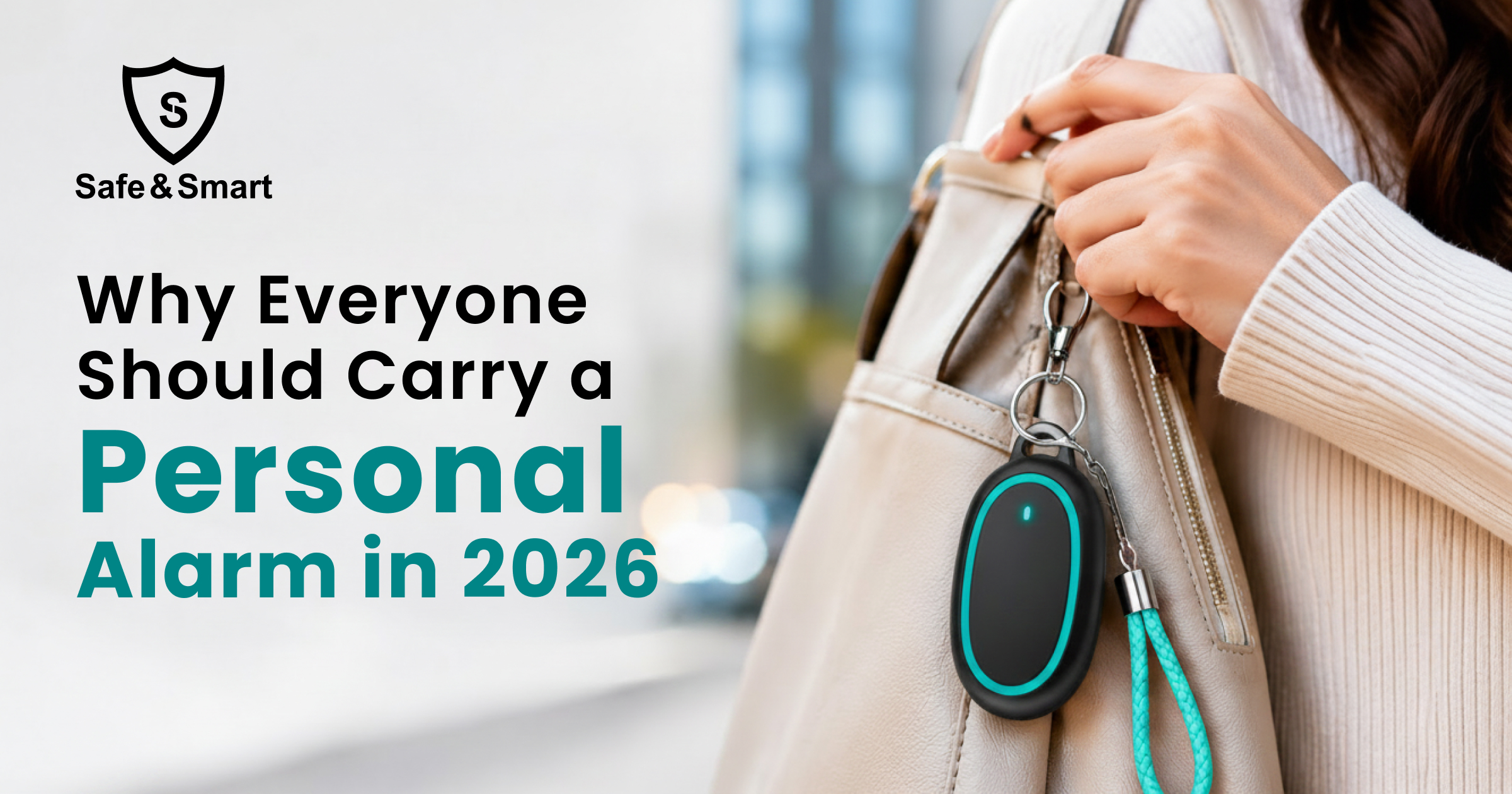
GPS tracking device keychain clips onto keys or a bag zip and looks like any ordinary fob. Nobody looks twice at it, which is the point. It’s a clean solution for students and commuters who want tracking without anything obvious on their person.
Wearable GPS Tracking Devices
Watches, pendants, clip-on tags wearables stay on the body, which matters when someone might forget to pick something up. The preferred format for elderly users and children, since there’s no step where the device gets left behind.
Portable GPS Tracking Devices
A bit bulkier, but with noticeably longer battery life. Hikers and solo travelers covering long distances tend to favor these. Less about daily discretion, more about reliability over extended time away.
SOS-Enabled GPS Tracking Devices
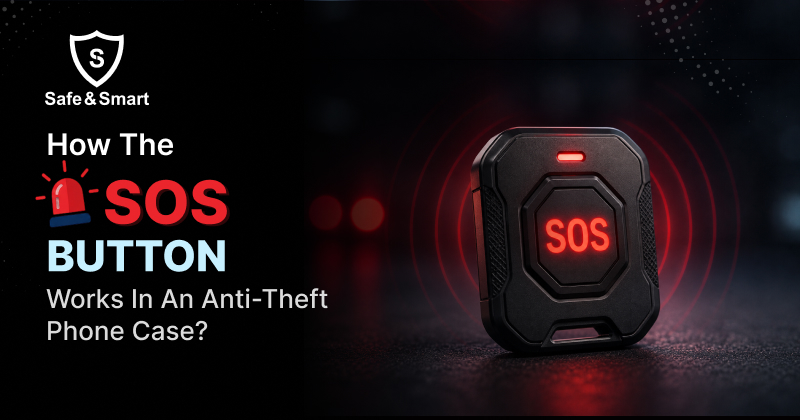
These pair location tracking with a dedicated emergency button. One press sends GPS coordinates straight to pre-set contacts; no fumbling with a phone. In situations where someone can’t speak or dial, that button makes a real difference.
So, these are the most popular types of GPS tracking devices, and more are to come in the upcoming years on the basis of the users’ needs. Now let’s know their benefits for personal safety.
Key Benefits of a GPS Tracking Device for Personal Safety
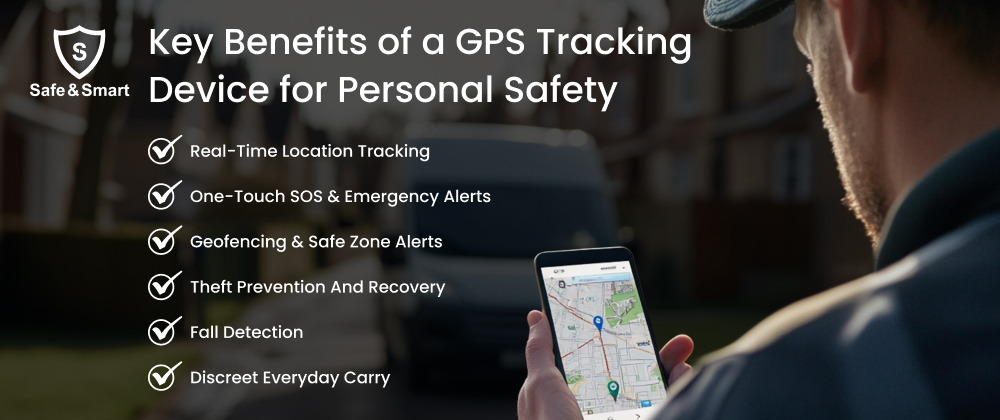
People often assume a GPS tracking device is just for tracking. It’s not. The features that sit alongside the location data are, in many cases, just as important. Here’s what actually makes these devices useful day-to-day.
Real-Time Location Tracking
Updates every 10 to 30 seconds mean a carer or family member can check in without making a call. Useful when someone is late, not responding, or in a situation where they can’t easily speak. It removes a lot of unnecessary worry.
One-Touch SOS & Emergency Alerts
Press the SOS button, and an alert fires immediately, with the exact location included to pre-saved contacts or a monitoring center. When dialing a number isn’t possible, having that single button available changes things considerably.
Geofencing & Safe Zone Alerts
Draw a virtual boundary around a home, school, or care facility. When the GPS tracking device crosses it, an alert goes out. You don’t have to watch a screen constantly; the device flags when something needs attention.
Theft Prevention and Recovery
Attach a tracker to a bag, bicycle, or vehicle, and if it goes missing, you have a live location to pass to the police. It won’t stop theft happening, but it improves the odds of getting something back.
Fall Detection
Some tracking devices sense a sudden fall and, if the user doesn’t respond quickly, send an automatic alert even if they’re unconscious. For elderly people living alone, this is a genuinely useful safety net.
Discreet Everyday Carry
From a tracking device keychain to a slim wristband, there are options that don’t announce themselves. People are more consistent about carrying something if it doesn’t feel like extra kit. A device that stays in the bag beats a better one left at home.
Who Should Use a GPS Tracking Device?
GPS tracking devices aren’t one-size-fits-all in terms of audience either. Different people use them for very different reasons, and it’s worth knowing which category fits your situation.
Women Traveling or Walking Alone
A lot of women already modify how they move on longer routes, avoid streets, phone calls while walking. A personal GPS tracking device adds a practical layer to that: a trusted contact can follow along in real time, and one button press raises an alert if something goes wrong.
Elderly Individuals & Dementia Carers
Wandering is one of the most distressing risks in dementia care. A GPS tracker with geofencing gives carers an early warning rather than waiting until someone is already missing. It’s a meaningful shift from reactive to prepared.
Students Living Away from Home
First year in an unfamiliar city, late nights out, unanswered calls, parents worry, and that’s reasonable. A personal GPS tracker gives students a discreet tool they can carry without it feeling like surveillance and gives families something concrete to fall back on.
Night Shift Workers & Lone Workers
Working alone at night or in isolated environments carries real risk. These tracking devices mean there’s always a record of location and a way to raise an alert. Many UK employers now treat this as part of their basic duty of care.
Daily Commuters & Tourists
Getting lost in an unfamiliar city, missing a late connection, losing your phone these things happen. A GPS tracking device that works independently of a smartphone gives travelers and commuters a backup that doesn’t rely on having full battery and signal.
How GPS Tracking Devices Improve Personal Safety
It’s easy to talk about GPS tracking devices in terms of features and specs. But the actual safety improvement is simpler than that; it comes down to response time and removing uncertainty.
When someone goes missing or is in danger, the first problem is usually location. Emergency services and family members spend time they don’t have trying to figure out where to go. A GPS tracking device removes that problem. Location is known. Response starts immediately. For a direct comparison with app-based alternatives, the Safety Apps guide is a useful reference.
There’s also a subtler benefit: confidence. Knowing you have a GPS tracker on you, or that a vulnerable person is wearing one, changes how people move through the world. It won’t stop everything from going wrong. But it means the response doesn’t get delayed by the basics.
GPS Tracking Device vs Smartphone: Which Is Better for Safety?
Smartphones can share location. So why carry a separate GPS tracking device? The honest answer is reliability. Here’s how the two actually compare:
| Feature |
GPS Tracking Device |
Smartphone |
| Works without user interaction |
Yes |
No |
| Independent SIM / no phone needed |
Yes |
No |
| Dedicated SOS button |
Yes |
No |
| Battery life (typical) |
48-72 hours |
8-16 hours |
| Discreet / hard to spot |
Yes |
No |
| Risk of being grabbed or switched off |
Yes |
High |
| Real-time location tracking |
Yes |
Yes (app dependent) |
| Works if screen is cracked/damaged. |
Yes |
Often not |
A phone depends on battery, mobile data, and the user being able to interact with it. All three can fail at the wrong moment. A GPS tracking device is built for one job and keeps doing it when conditions aren’t ideal.
There’s also the question of what can be taken. A phone is the first thing that might get grabbed in a threatening situation. A GPS tracker tucked inside a bag lining is a different matter: harder to spot, harder to remove quickly.
If you have to pick one, the GPS device is the more dependable safety tool. Using both gives the strongest coverage.
How to Choose the Right GPS Tracking Device?
Choosing the right GPS tracking device comes down to a few practical questions: where will it be used, who’s carrying it, and what safety features actually matter for your situation. Safe&Smart has a range of purpose-built options worth comparing before you decide.
- Coverage and Connectivity: Check that the device runs on a current UK network. Some GPS tracking devices still use 2G, which is being phased out across Europe. A 4G-enabled model is the better long-term choice.
- Battery Life: For daily use, 48 hours is a sensible minimum. For elderly users or children, longer is better. A dead tracker during an emergency defeats the purpose entirely.
- SOS Features: Confirm how alerts are sent and who receives them. Some notify personal contacts via SMS or app; others connect to a professional monitoring service. The right choice depends on what support the user has around them.
- Size and Form Factor: A GPS tracker keychain suits someone who never leaves without their keys. A wearable suits someone who might forget to pick things up. Match the format to the habit, not the other way around.
- Subscription Costs: Most devices require an ongoing data or SIM plan. Factor that into the real cost upfront. For a broader look at what separates a useful device from a mediocre one, the safety devices guide is worth reading.
However, if you want a compact everyday carry option, then you should prefer a safety keychain. They are easy to carry with seamless smartphone integration with your phones.
Final Thoughts
A GPS tracking device isn’t a dramatic purchase. It’s a small, practical thing most people carry without thinking about until the day they actually need it, at which point it matters enormously.
The market data reflects what’s happening on the ground. With GPS tracking devices valued at over USD 1.2 billion globally in 2026 and steady growth projected, more people are making this a routine part of how they manage personal safety. Not out of fear, but out of practicality.
Whether you’re looking at a personal GPS tracking device for yourself, a GPS tracking device for a student, or a wearable for someone in your care, the options are there, they work, and they’re more affordable than most people expect. That’s really what it comes down to.
FAQ
Can a personal GPS tracking device send alerts automatically?
Yes, many GPS trackers can send automatic alerts for events such as leaving a designated area, low battery levels, movement detection, or emergency situations, depending on the device features.
How long does the battery last in a GPS tracking device?
Battery life varies by model and usage. Some devices last a few days, while others can run for several weeks between charges with power-saving settings enabled.
Are GPS tracking devices suitable for everyday carry?
Yes, many personal GPS trackers are compact and lightweight, making them easy to carry in a pocket, bag, or attached to keys for daily use.
Can GPS tracking devices be used without a smartphone?
Yes, some GPS trackers work independently and can be monitored through a computer or dedicated platform. However, many devices offer added convenience through smartphone apps.
Are GPS tracking devices legal in the UK?
Yes, GPS tracking devices are legal in the UK when used responsibly and in compliance with privacy laws. Tracking someone without their knowledge may have legal implications.
What is geofencing and how does it work on a GPS tracker?
Geofencing is a feature that creates a virtual boundary on a map. When the tracker enters or leaves the selected area, it immediately sends an alert on your smartphone.